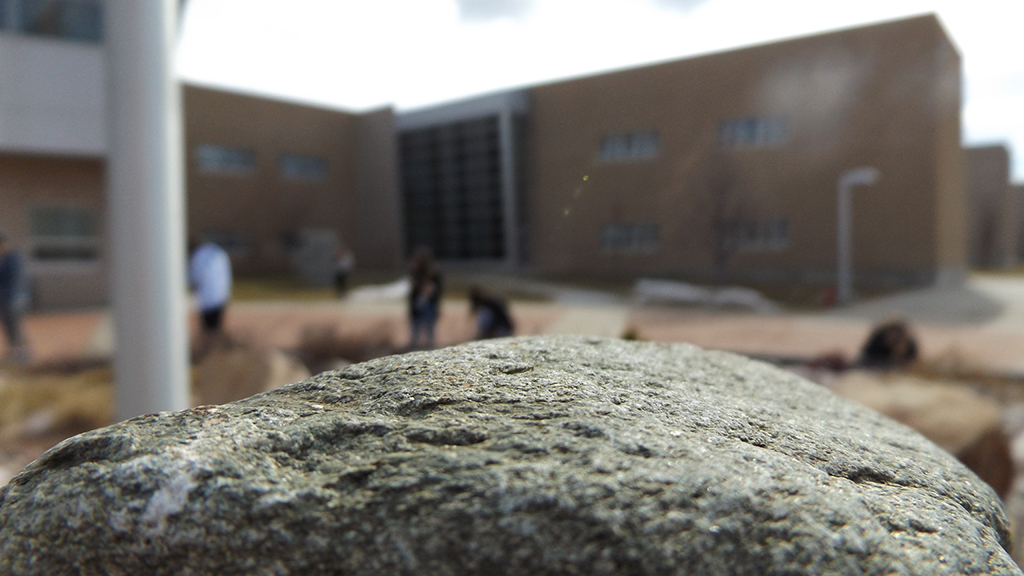
Another way that photos can be classified and identified is by their depth of field and whether it is shallow or deep. Usually shallow depth of field photos are more common and have a singular subject with a blurred background, though they can have a blurred foreground with the subject in the background.
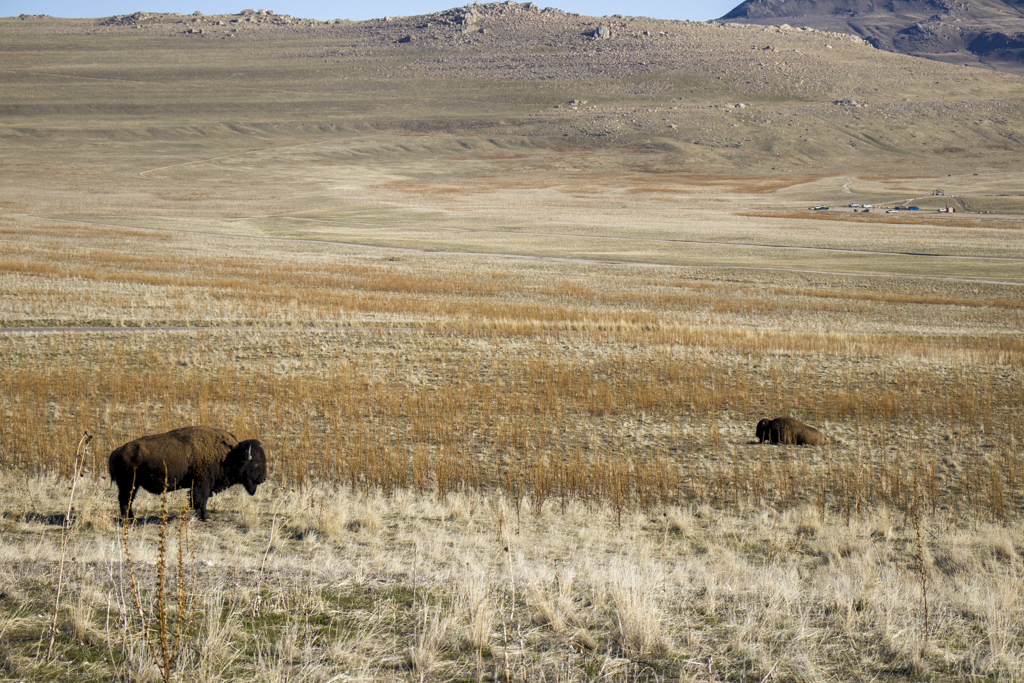
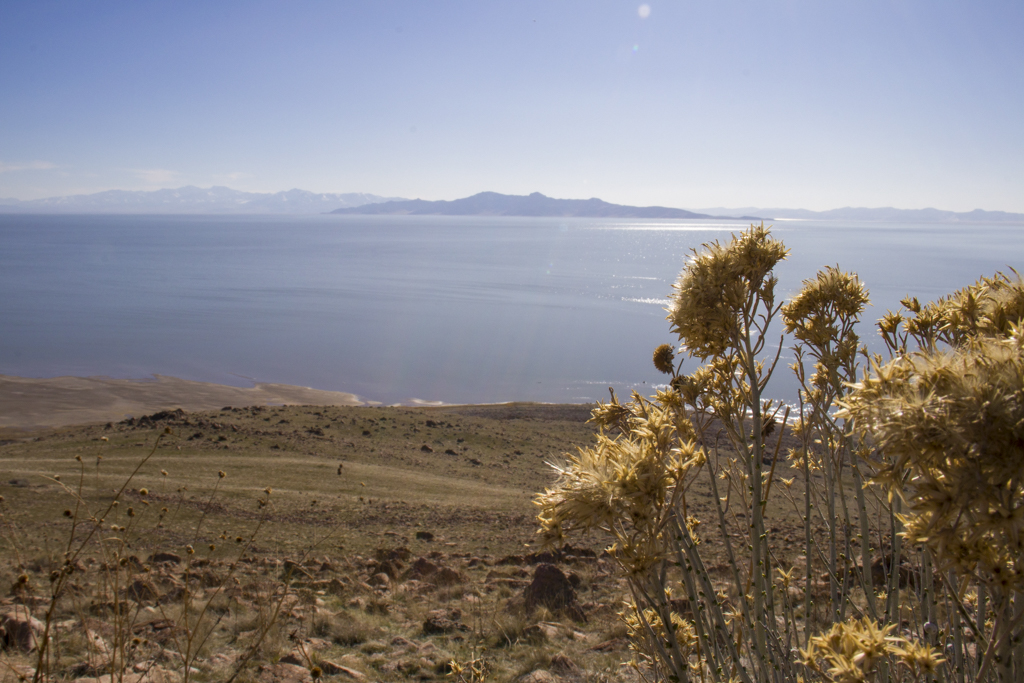
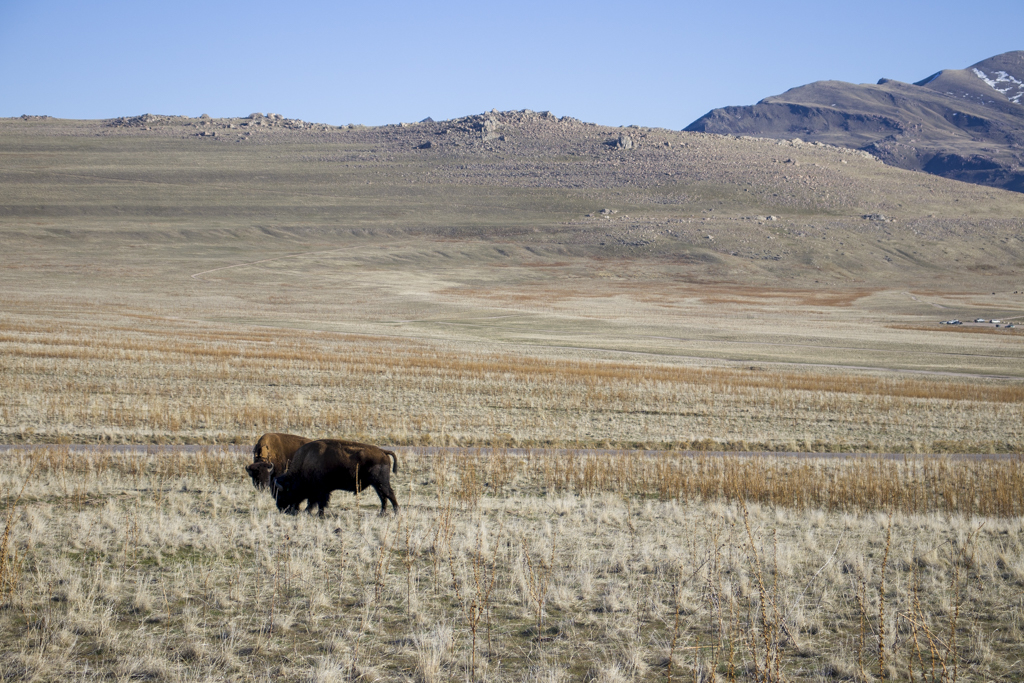
Deep depth of field photos include everything in focus whether that be close, medium, or far. The photos above were taken in on Antelope Island, the photos of the bison I am particularly proud of. Oddly enough I don’t prefer one over the other, considering they both have their advantages and disadvantages. Deep depth of field photo’s can be great for large landscapes whereas shallow depth of field photos can emphasize a singular subject.
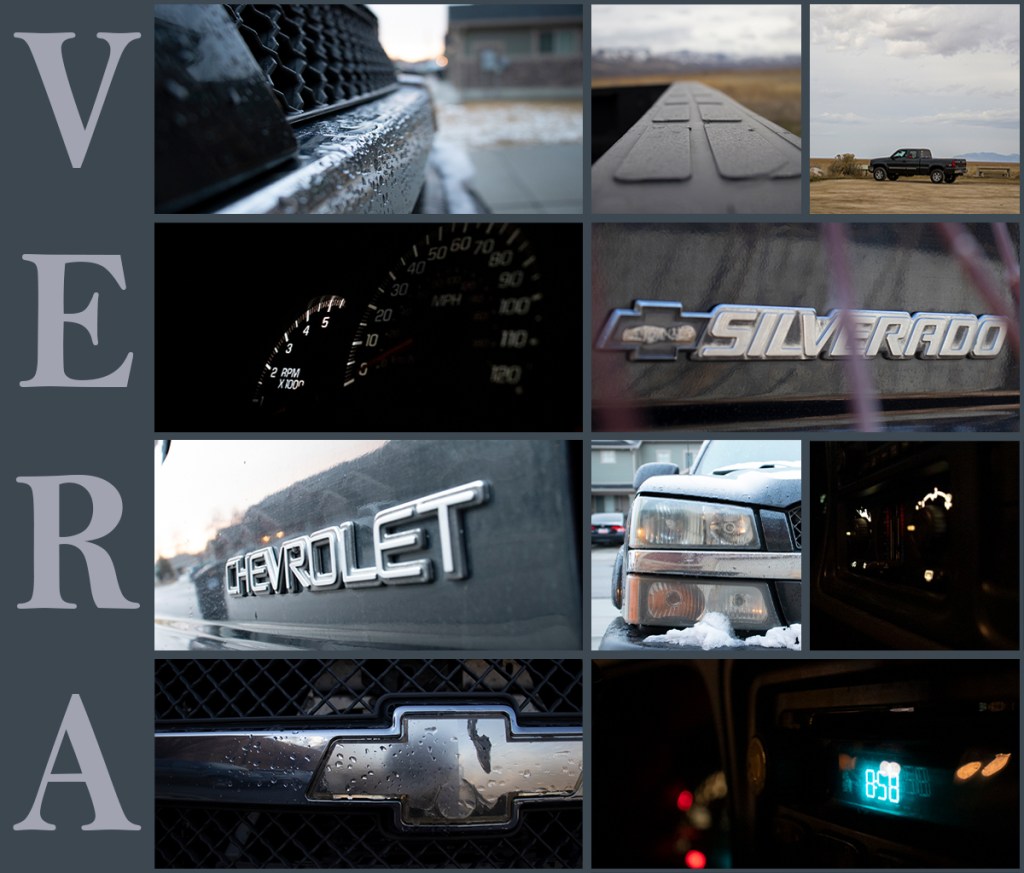
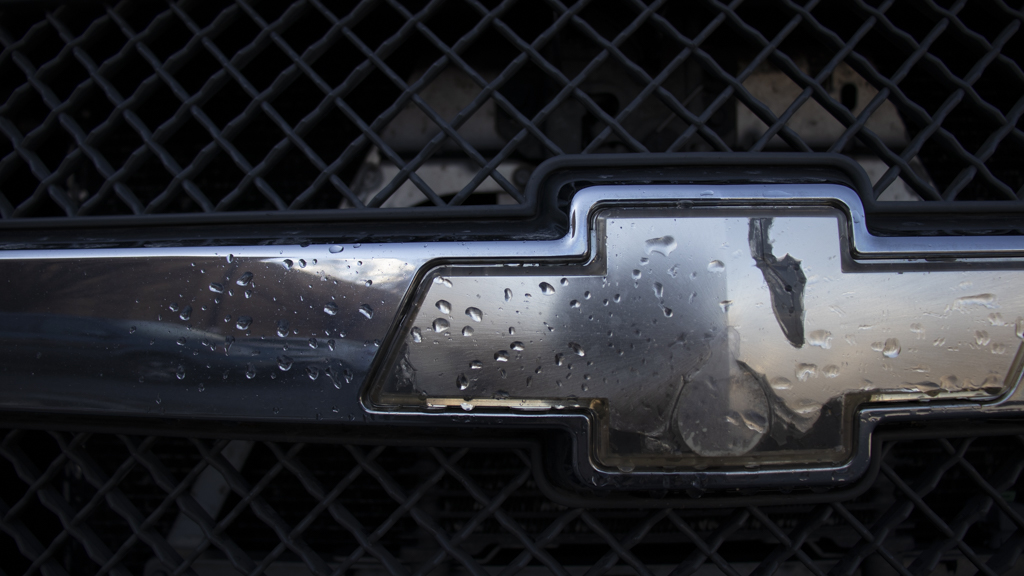
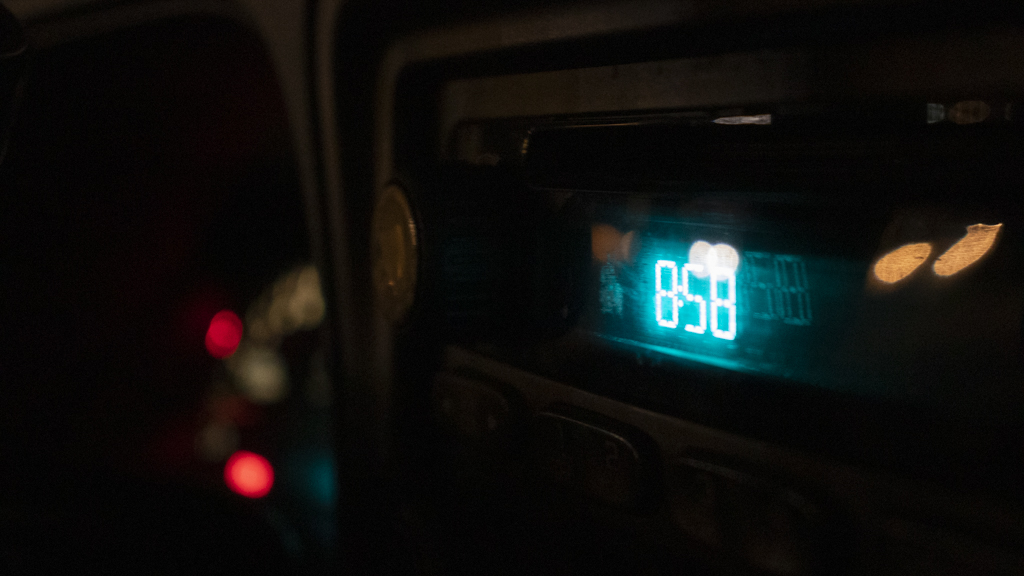
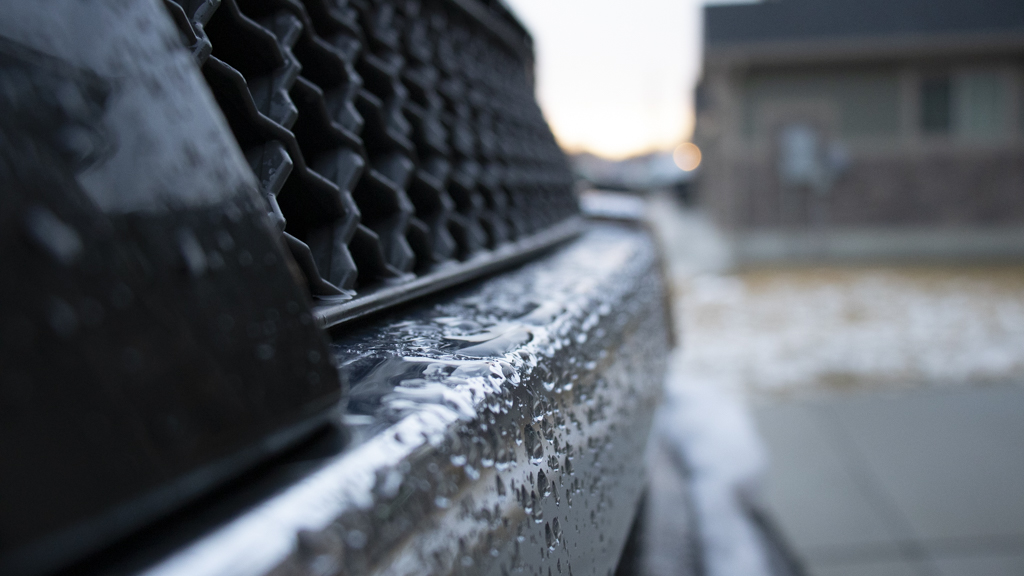
Imaged multiple times above is my 2004 Chevrolet Silverado 1500, a 5.3 L V8 Vortec engine, 2 inch lift, and a whole lot of spirit. This truck is legendary; it has 225,683 miles on it, and it runs like a charm. A beautiful metallic dark grey makes her shine like no other. Her name is Vera which translates to “faith” in Russian, it is also the name of an amazing song by Pink Floyd. No photo’s contain any editing.
Images above are my favorite images from my collage. I feel all of them represent Vera in a unique way. I hope she lasts a long long time
Photography while an art, is full of advanced techniques that not all can or will use. It is also full of equiptment that I hadn’t even heard of until recently. For this post reflectors are the main focus, reflectors come in different shapes, colors, and sizes. The most common being the few mentioned below.
Image 1
Image 2
The white reflector has one of the more minor effects on a model. Looking at the side of the models face in image 1, there is a very slight bit of brightness on the models face when looking at image 2 it is obvously darker when the reflector is removed.
Image 3
Image 4
The golden reflector is more for color than it is for light, it adds nice highlights and with the combination of background colors, this reflector can greatly enhance an attempted portrait when comparing image 3 to image 4 the change can easily be seen
Image 5
Image 6
Not all of these tools are meant to reflect light; some are meant to diffuse light. In image 5 the model looks almost underexposed, unfortunately it is, I didn’t expect the diffuser to make such a change so i quickly took the picture and didn’t notice that the picture was taken improperly. But it is an amazing example of what a diffuser can do. This tool has the largest effect on a model.
Image 7
Image 8
The silver reflector is the brightest of the group, even with a very small amount of light, the amount of light reflected seems almost like magic. The silver reflector is very similar to the white reflector, but it can be used to destroy shadows rather than dampen them.
Image 9
Image 10
Another tool in this set is a Black Absorb-er, it is the oppisote of a reflector, rather than utilized light as a tool, it uses the absence of light instead. In Image 9 on the right side of the models face, it is relatively dark but when looking at image 10 the light off the wall is relfected onto the models face, The black absorber hides this relfected light.










 Super Epic Pics for Gamers